Calendly economics: scheduling as a simple paid upgrade
Calendly is a scheduling tool that helps people avoid the back and forth of trying to find a meeting time. A host shares a link, the invitee picks a time that fits, and the event is added to calendars. The product looks simple on the surface, but the business model behind it is solid.
How Calendly works
A user connects their calendar to Calendly and sets rules for when they are free. Calendly then shows those open times on a booking page. When someone else picks a slot, Calendly creates calendar events and can send reminders or follow ups.
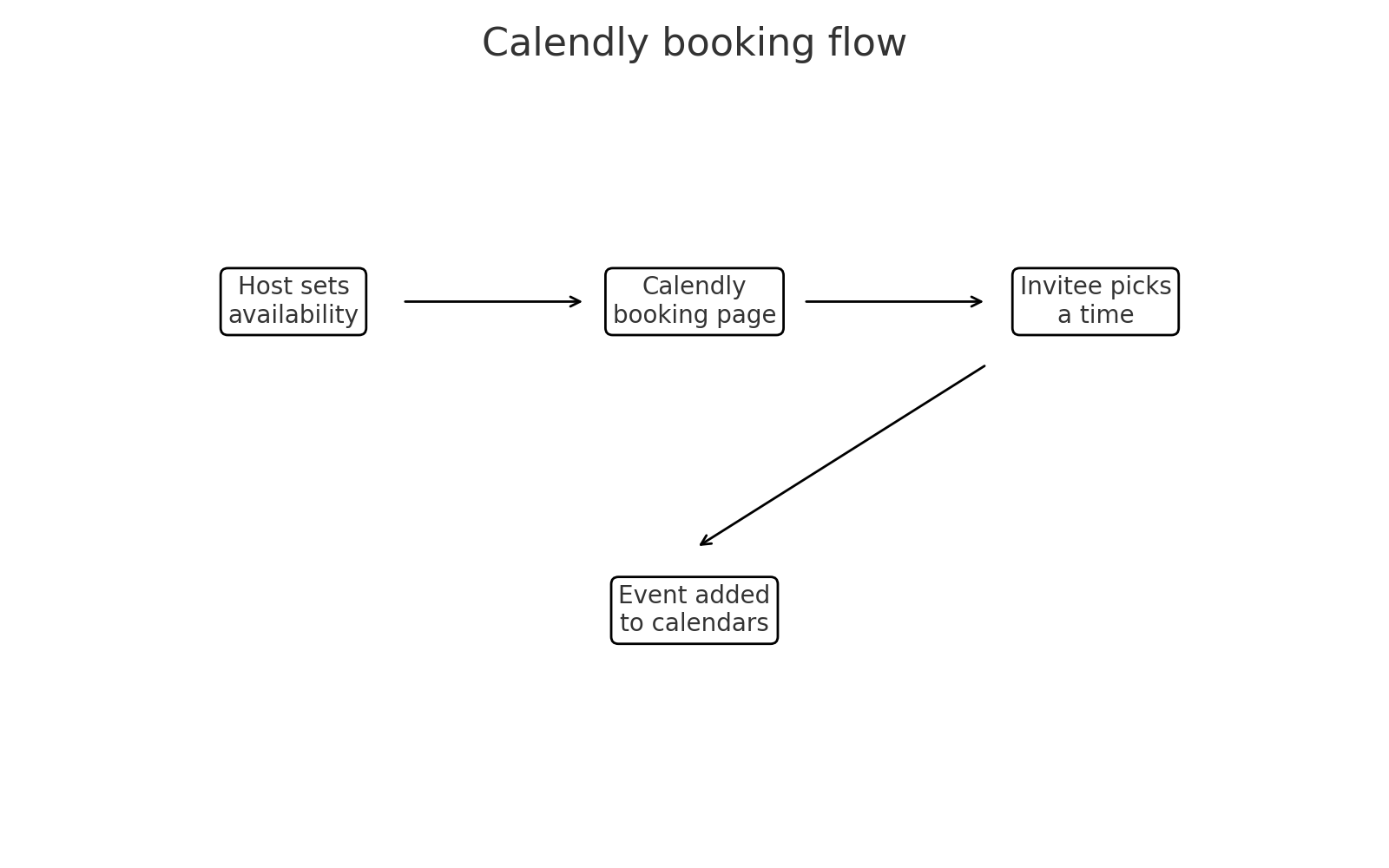 Calendly booking flow
This saves time for both sides. Instead of trading emails, the host sends one link. The invitee sees only times that work and selects one. For people who book a lot of calls, this can remove a lot of friction.
How Calendly makes money
Calendly uses a freemium model. The basic plan is free for simple use cases. Paid plans unlock more event types, integrations, team features, and routing rules. Teams and businesses that run many meetings are the ones most likely to pay.
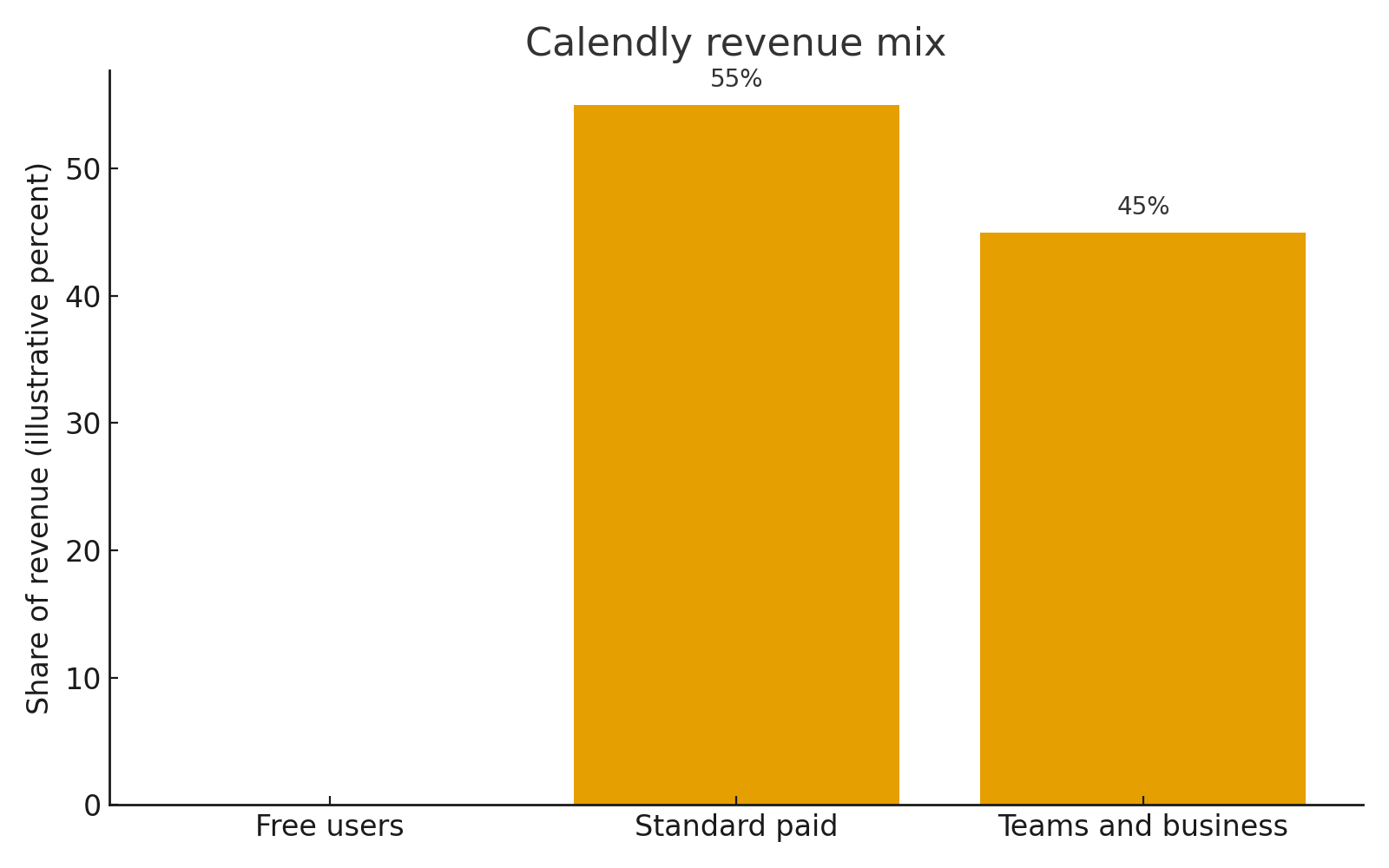 Calendly revenue mix
Free users do not bring in direct revenue, but they are the top of the funnel. Paid revenue comes from people who use the product heavily and from teams who standardize on it for scheduling.
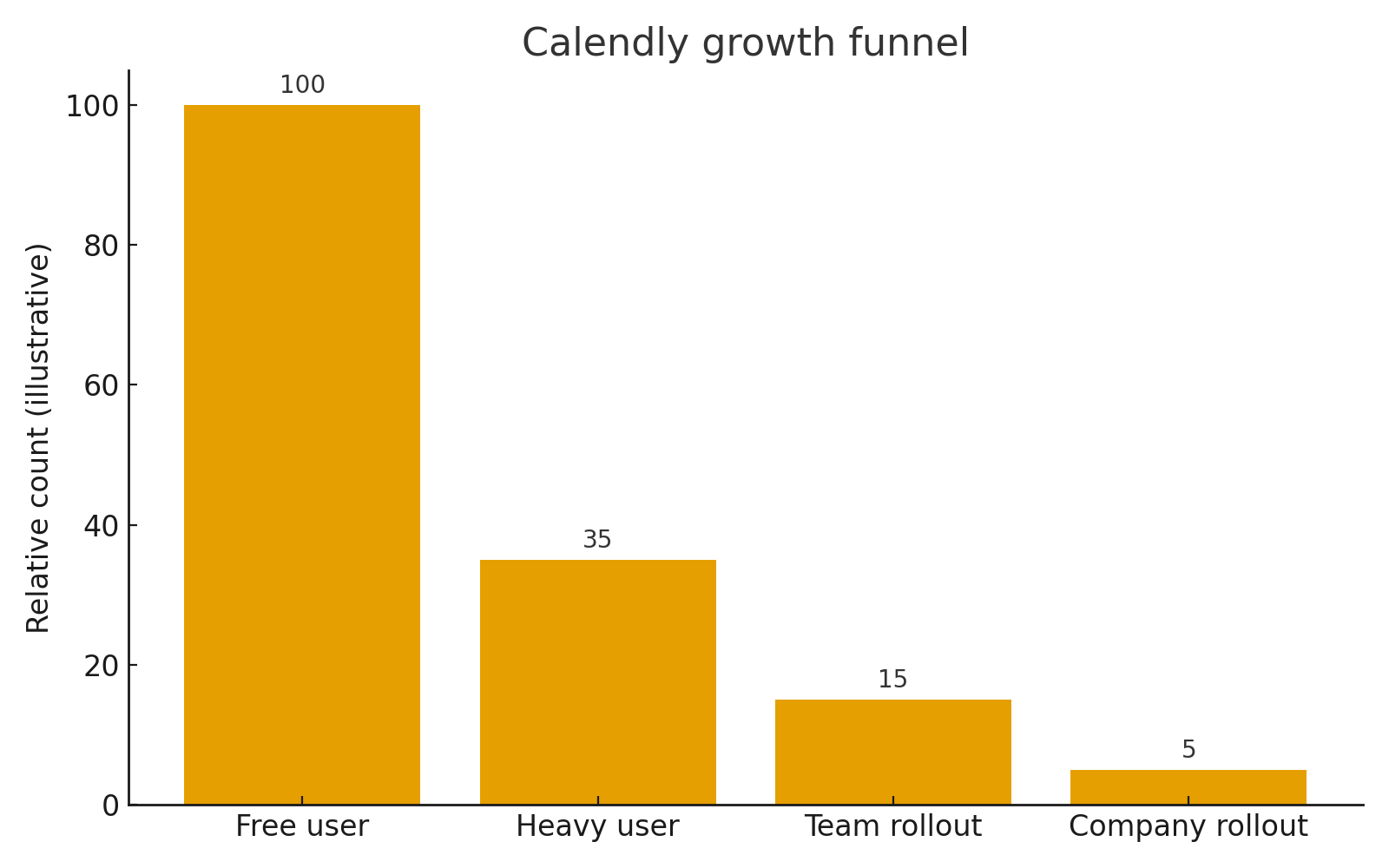 Calendly growth funnel
The growth pattern looks similar to other freemium tools. A single user starts using Calendly. As they send more links, more people see the product. Some of those people become users themselves. In a company, usage can spread from one person to a team and then across departments.
Why the model works
Calendly solves a real and common problem. It can justify its cost if it saves even a small amount of time per meeting for people whose time is valuable. Once teams get used to it, going back to manual scheduling feels slow and annoying.
The cost to serve each extra meeting is low once the product and infrastructure are in place. That means most of the extra revenue from new paid seats and heavier usage falls to the bottom line after covering support and ongoing development.
Risks and competition
Calendly faces competition from built in scheduling features in other calendar tools and from other dedicated scheduling apps. Large platforms can bundle basic scheduling into their products, which may reduce the need for a separate tool for some users.
Even with competition, Calendly shows how a simple SaaS product with clear value can turn free usage into steady subscription revenue from people and teams who rely on it every day.
Sources
- Calendly’s website, pricing pages, and product documentation
- Press coverage and interviews that describe Calendly’s growth and freemium model
- Articles on scheduling tools and how they fit into remote and hybrid work
- Market overviews of SaaS subscription products in productivity and collaboration